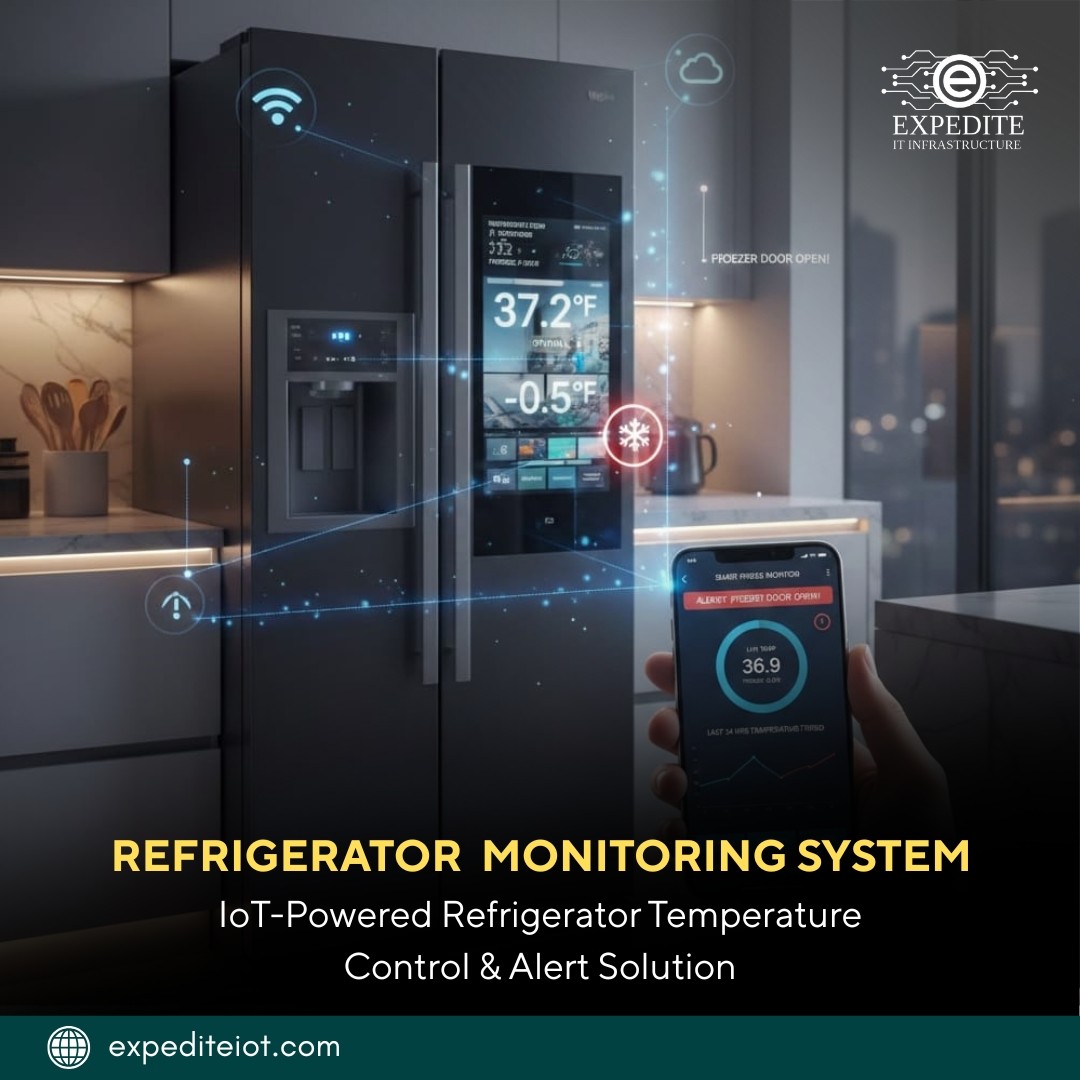
Bahrain's ambition to be a regional centre of commercial excellence demands that its enterprises master cold chain integrity with the same rigour applied to financial and logistical operations. Refrigerator Monitoring powered by Smart Sensors, Remote Temperature Monitoring, and intelligent Temperature Alerts is not merely a technology upgrade — it is a fundamental transformation of how enterprises manage their most perishable assets.
From Refrigerator Monitoring Manama's retail districts to the pharmaceutical warehouses serving Bahrain's growing healthcare sector, the case for comprehensive Temperature Monitoring Solutions is overwhelming: lower waste, stronger compliance, reduced energy costs, and a competitive advantage built on operational reliability that peers without monitoring infrastructure simply cannot match.
Enterprises ready to take their first step — or their next step — toward zero-waste cold chain operations should explore Expedite IoT's smart refrigerator monitoring solutions, a partner with proven GCC deployment experience and the technical depth to deliver enterprise-grade Temperature Data Loggers and monitoring ecosystems that perform reliably in Bahrain's demanding operational environment.
FAQs
1. What industries in Bahrain benefit most from Refrigerator Monitoring?
Pharmaceutical distributors, hospitals, food and beverage enterprises, supermarket chains, hotel F&B operations, and any business handling temperature-sensitive inventory benefit significantly. Regulatory compliance requirements — NHRA for pharma, HACCP for food — make automated Temperature Monitoring Solutions particularly valuable in these sectors, where manual documentation is both labour-intensive and error-prone.
2. How do Smart Sensors integrate with existing refrigeration equipment?
Smart Sensors are designed for non-invasive, retrofit deployment. Wireless variants attach externally to refrigeration units using adhesive mounts or magnetic brackets, requiring no wiring or modification to existing equipment. They communicate via LoRaWAN, NB-IoT, or Wi-Fi protocols to cloud platforms, making deployment feasible across any refrigeration asset regardless of age or manufacturer.
3. What is the typical response time for Temperature Alerts in a 24/7 operation?
Enterprise Temperature Alerts platforms deliver notifications within 30–90 seconds of a threshold breach via SMS, email, and push notification simultaneously. Escalation logic automatically notifies supervisory personnel if primary responders do not acknowledge within a configurable window — typically 5–15 minutes — ensuring genuine excursions always receive timely human attention regardless of shift patterns.
4. How does Remote Temperature Monitoring support regulatory compliance in Bahrain?
Remote Temperature Monitoring platforms generate tamper-evident, timestamped records of all temperature readings, storing encrypted data in dual-redundant cloud repositories. These records satisfy NHRA GDP documentation requirements for pharmaceutical storage and HACCP audit requirements for food businesses. Auto-generated compliance reports eliminate the manual data compilation burden from quality assurance teams and provide inspectors with instant access to complete historical records.
5. What should Bahraini enterprises look for when evaluating Temperature Data Loggers?
When selecting Temperature Data Loggers, enterprises should evaluate: measurement accuracy (±0.1°C or better for pharmaceutical applications); data storage capacity and local redundancy in case of connectivity interruption; calibration certificate validity and NIST traceability; wireless protocol compatibility with existing facility infrastructure; and platform integration capabilities with ERP and quality management systems. Regional regulatory knowledge and GCC-specific deployment experience in the vendor's track record are equally important selection criteria for Bahraini operations.
Contact Us:
+966 5021 04086